
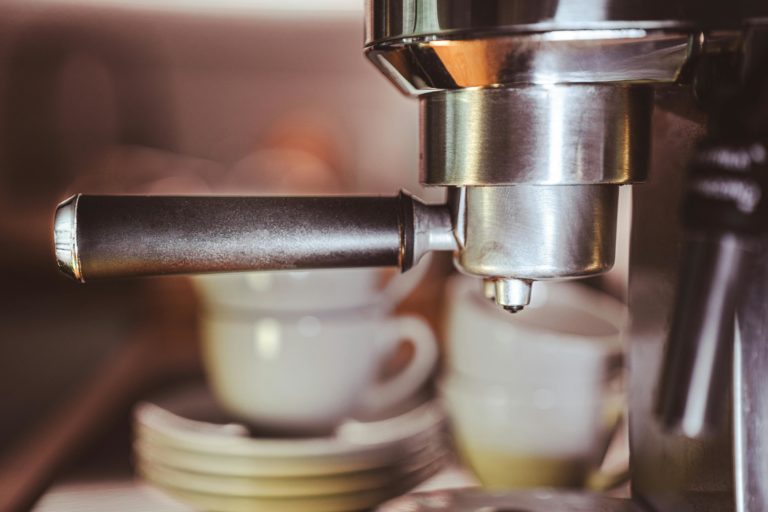
You’ve finally treated yourself to a DeLonghi La Specialista. It looks like something straight out of a high-end Italian espresso bar, sitting there on your kitchen bench with its chrome finish and that satisfying tamping lever. But then, the pressure gauge doesn’t budge. Or maybe it starts leaking a mysterious puddle of water across your counter at 6:00 AM.
It’s frustrating. At Ellis Electricals, we’ve seen thousands of these machines come through our Dandenong repair centre since we opened our doors in 1974. The La Specialista is a clever bit of gear, but like any precision machine, it has its quirks. Whether you’re dealing with the Prestigio, the Arte, or the Maestro, certain DeLonghi coffee machine faults tend to pop up more than others.
Before you consider consigning your expensive appliance to the “broken” pile, let’s look at what’s actually going on under the hood.
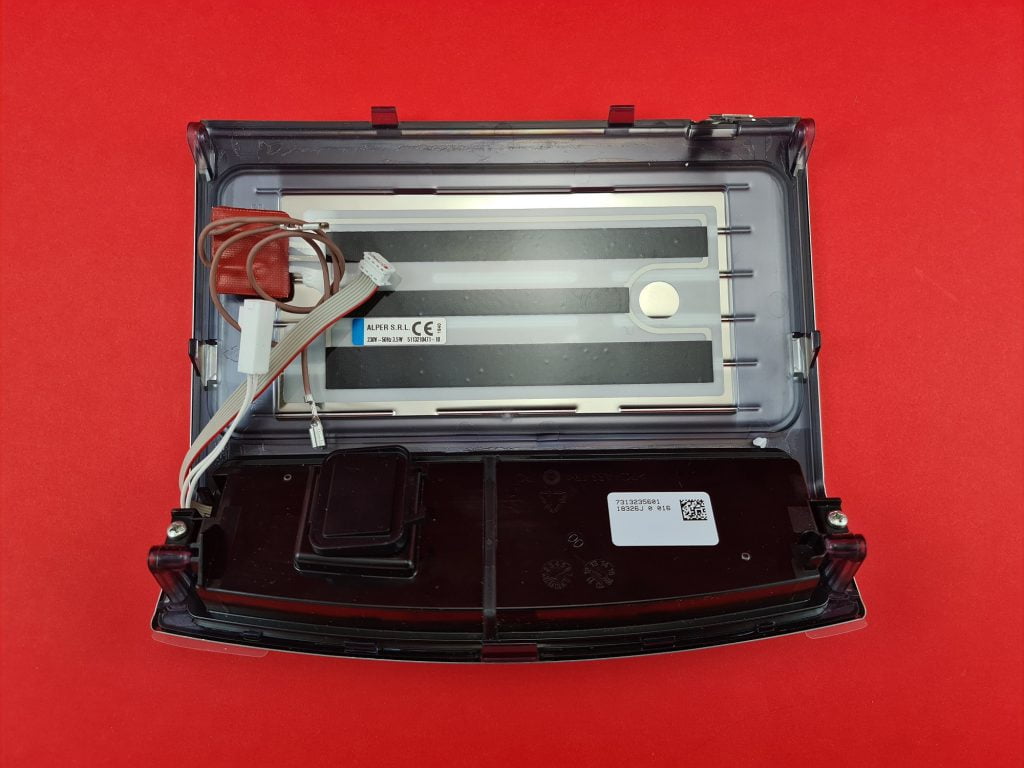
The most common “fault” people report isn’t actually a mechanical failure at all. It’s the pressure gauge. You’ve got your beans in, you’ve pulled the lever, you hit the button, and… nothing. The needle stays flat, and your coffee tastes like sour dishwater.
Usually, this comes down to the “dialling in” process. The La Specialista tries to bridge the gap between a manual and an automatic machine, but it still requires you to get the physics right. If your grind is too coarse, the water just rushes through the puck without building any resistance. No resistance means no pressure.
But if you’ve gone as fine as the grinder allows and you’re still seeing zero pressure, you might be looking at a genuine DeLonghi La Specialista repair issue. Internal solenoid valves can fail, or the pump itself might be losing its prime. If you’ve tried three different types of beans and adjusted your dose, but that needle still won’t move, the internal seals might have perished. And trust me, chasing a pressure leak inside one of these machines is not a Sunday afternoon DIY project.
The integrated tamper is the hallmark of this machine. It’s supposed to give you a consistent 20kg of pressure every time. It’s a great system until the lever starts feeling gritty or fails to return to its original position.
Coffee grounds are invasive. Over months of use, fine dust can migrate into the tamping mechanism. If it’s not cleaned regularly, that dust mixes with the natural oils in the coffee and turns into a sticky paste. Eventually, the spring mechanism or the sensors that tell the machine the lever is engaged can fail.
If your lever is sticking, don’t force it. You’ll likely snap a plastic bracket inside. It’s much cheaper to have a technician clean and lubricate the assembly than it is to replace the entire tamping station.
Finding water under your machine is never a good sign. With the La Specialista, leaks usually come from one of three places.
First, check the water tank. There’s a small O-ring at the base where the tank seats into the machine. If this gets nicked or just wears out, water will slowly drip onto your bench. It’s a simple fix, but one people often overlook.
Second, the drip tray. It sounds obvious, but the La Specialista performs a lot of internal rinsing. If the tray isn’t seated perfectly, or if the “float” is stuck, it’ll overflow before you realise it’s full.
The third, and most serious, is an internal leak. High-pressure steam hoses are held together with small hairpin clips and rubber seals. Over time, the heat causes these seals to harden and crack. If you see steam coming out of the top of the machine or hear a “hissing” sound while it’s idling, turn it off. Using a machine with an internal leak can short out the main PCB (the “brain” of the machine), turning a $100 seal replacement into a $500 electronic overhaul. For a professional diagnosis, you can always look into our dedicated DeLonghi coffee machine repair services to catch these leaks before they fry your electronics.
We Australians love a dark, oily roast. The problem is that the La Specialista’s built-in grinder doesn’t always share that love. Those oils are like glue for coffee fines.
If your grinder is making a high-pitched screeching sound or if the beans aren’t feeding through, you’ve likely got a jam. Sometimes it’s a stray pebble in the beans (it happens more than you’d think), but usually, it’s just build-up.
Cleaning the burrs is essential. But if the motor has burnt out because it was trying to grind through a jam, you’ll need a replacement. We stock genuine DeLonghi spare parts at our Dandenong shop, so if your grinder has given up the ghost, we can usually get it swapped out fairly quickly.
You’ve run the descaling cycle. You’ve used the official DeLonghi solution. But that pesky orange light is still flashing. This is a classic “user experience” fault that drives people mad.
The La Specialista requires you to follow the descaling sequence exactly as programmed. If you skip a step or if you don’t use enough water during the rinse cycle to trigger the internal flow meter, the machine won’t register that the process is complete. It’s not “broken,” it’s just stubborn.
However, if you find that the water flow is still restricted after a descale, you might have a calcified blockage in the thermoblock (the heating element). Melbourne water is generally pretty good, but mineral build-up is inevitable over the years of use. If the descale won’t clear it, a professional “acid flush” or a thermoblock replacement might be the only way to get your heat and pressure back.
I know the temptation is to jump on YouTube and try to take the casing off yourself. But these machines are packed tight with wires, high-pressure hoses, and sensitive sensors. One wrong move and you’ve got a “spare parts” heap instead of a coffee maker.
Since 1974, Ellis Electricals has been the go-to for Melbourne locals who want their appliances fixed the first time properly. We aren’t just a general repair shop; we are authorised service agents. That means we have the diagnostic tools specifically for DeLonghi systems and access to the latest technical bulletins from the manufacturer.
Our team in Dandenong handles everything from simple seal kits to complex PCB repairs and grinder calibrations. We don’t just “fix the fault”—we give the whole machine a once-over to make sure there isn’t another issue lurking that’s going to ruin your Monday morning next week.
If your La Specialista is acting up, or if it’s just been a while since its last “health check,” bring it in. We’ll have you back to brewing proper espresso in no time.
Q: Why is my DeLonghi La Specialista pressure gauge not moving?
A: Usually, this is because the coffee grind is too coarse or there isn’t enough coffee in the filter. If adjusting the grind and dose doesn’t help, there may be an internal leak or a faulty pump.
Q: How often should I descale my coffee machine?
A: The machine will usually alert you, but typically every 3 to 6 months, depending on how many coffees you make and the hardness of your water.
Q: Why is my coffee machine leaking from underneath?
A: Common causes include a worn water tank O-ring, an overflowing drip tray, or an internal high-pressure hose leak. Internal leaks should be inspected by a professional to avoid electrical damage.
Q: Can I use any descaler in my DeLonghi?
A: It’s highly recommended to use DeLonghi’s EcoDecalk. Some generic descalers are too harsh for the internal seals or not effective enough to clear the thermoblock.
Q: Where can I get my DeLonghi coffee machine repaired in Melbourne?
A: Ellis Electricals in Dandenong is an authorised service agent with over 46 years of experience in coffee machine and kitchen appliance repairs.