
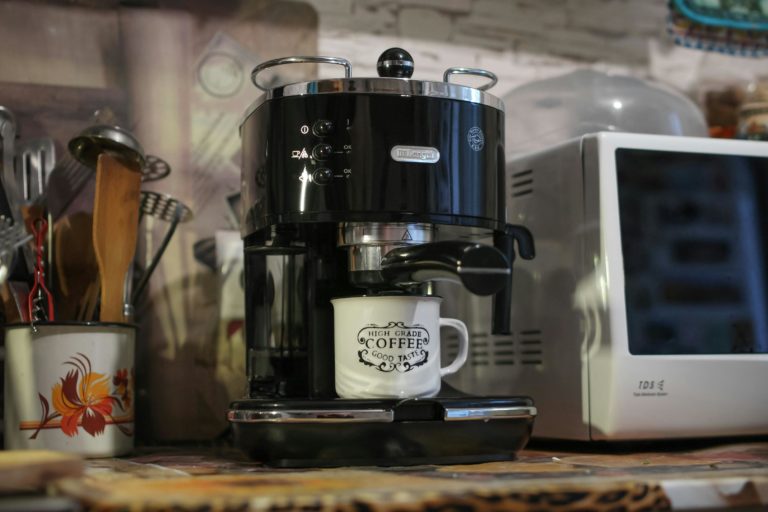
There is a very specific type of panic that sets in at 7:00 AM when you press the button on your coffee machine and… nothing. No whirring. No smell of roasting beans. Just a blinking light or a pathetic sputter of lukewarm water. It’s a bad start to the day.
But before you start looking up the cost of a new machine or resign yourself to a life of instant coffee, take a breath. Most coffee machine problems are actually quite predictable. They usually boil down to one of three things: scale buildup, worn-out rubber, or a setting that’s slightly out of whack.
At Ellis Electricals, we’ve been taking these machines apart since 1974. We’ve seen it all—from the simple “it’s not plugged in” to the “I tried to fix it with a YouTube video, and now there are extra screws.”
Here is a guide to the most common coffee machine problems and how to tell if you can fix it on your kitchen bench or if you need to bring it into our Dandenong centre.
If your pump is buzzing like a trapped bee but your cup is bone dry, you’re likely looking at a blockage or a seal issue.
First, check the water tank. It sounds obvious, but sometimes the tank isn’t seated perfectly. If the valve at the bottom of the tank isn’t being pushed open, the machine can’t draw water. Give it a firm push down. If that doesn’t work, look at the seals. Over time, the rubber can dry out and crack, losing the vacuum needed to pull water through the system.
But the most common culprit? Scale.
Calcium and minerals from your tap water love to build up inside those tiny internal pipes. It’s like a clogged artery. If you haven’t descaled your machine in the last few months, that’s your first step. Don’t use vinegar—it’s too harsh on the internal components and the smell lingers forever. Use a proper descaling solution. If the blockage is total, a simple descale might not cut it, and a technician might need to manually clear the lines.
Maybe the water is flowing, but nothing is coming out of the portafilter (the handle bit). Or perhaps it’s just a slow, painful drip.
If you’re using a manual or semi-automatic machine, your grind might be too fine. If the coffee is ground into a powder that’s basically dust, the water can’t force its way through. Try a coarser grind and see if that fixes the flow.
If you have an automatic machine with a built-in grinder, the “chute” where the ground coffee falls into the brew unit might be blocked with oily coffee residue. A quick vacuum or a brush-out can sometimes work wonders. However, if the grinder itself is making a high-pitched screaming noise, you might have a stone or a piece of debris stuck in the burrs. Don’t keep running it—you’ll burn out the motor.
Leaking water is a classic. If you lift your machine and find a lake underneath, don’t ignore it. Water and electricity are famously bad roommates.
Most leaks happen at the group head—the place where you lock the handle in. If you see water spraying out the sides while brewing, your group head seal (the big rubber O-ring) is done. These are wear-and-tear items; they usually last about a year. They get hard and brittle from the heat and stop creating a seal. It’s a cheap part to replace, but it makes a world of difference.
If the leak is coming from the bottom of the machine, it’s usually an internal hose or a cracked boiler. That’s a “stop what you’re doing” moment. Open electronics and leaking boilers are not a DIY project for a Sunday afternoon.
A coffee machine that can’t froth milk is basically just a very expensive kettle. If your steam wand is just puffing out a bit of weak air or nothing at all, it’s usually a blockage.
Milk is basically glue once it dries. If you didn’t purge the wand after your last latte, there’s probably a plug of dried milk inside the tip. Poke a pin in the holes and see if that clears it.
If the tip is clear but there’s still no pressure, the O-rings inside the steam arm might have perished, or the boiler isn’t reaching the right temperature. If you find your milk is flat and you’ve tried everything, it might be time for a professional service to check the pressure stats.
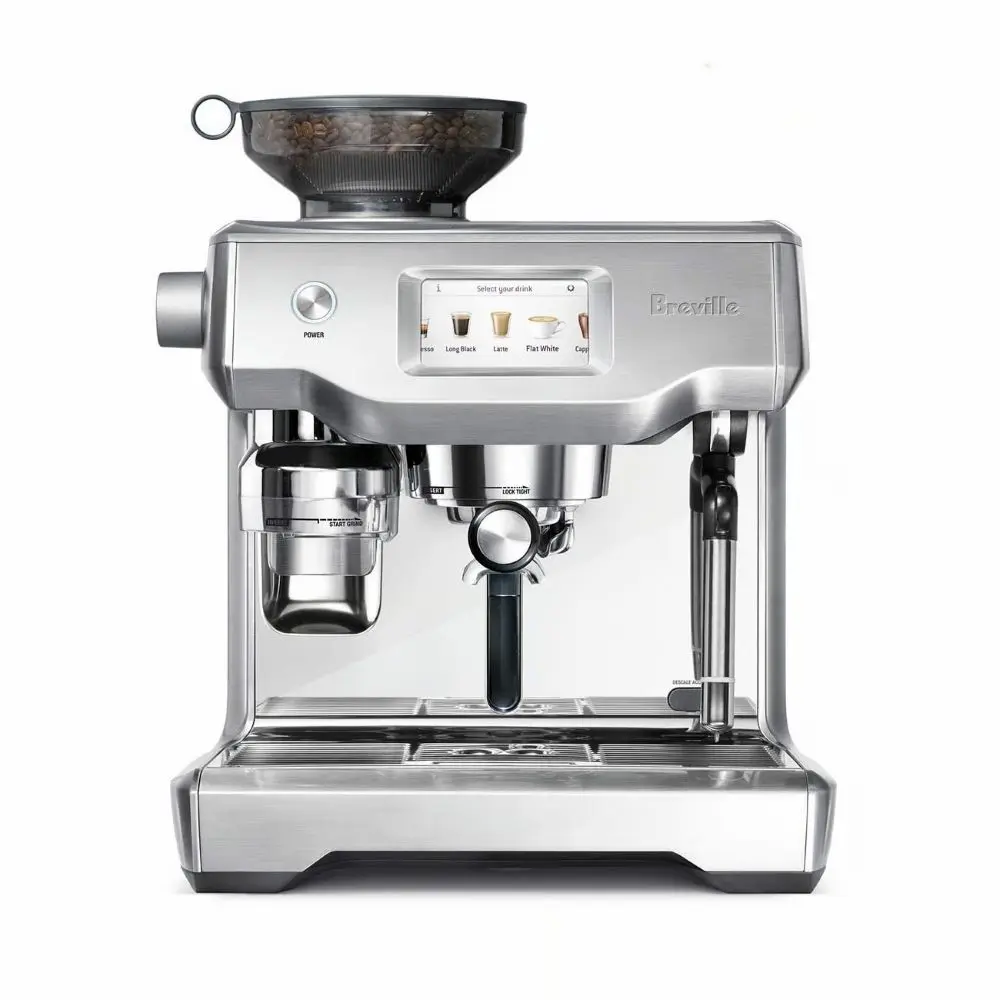
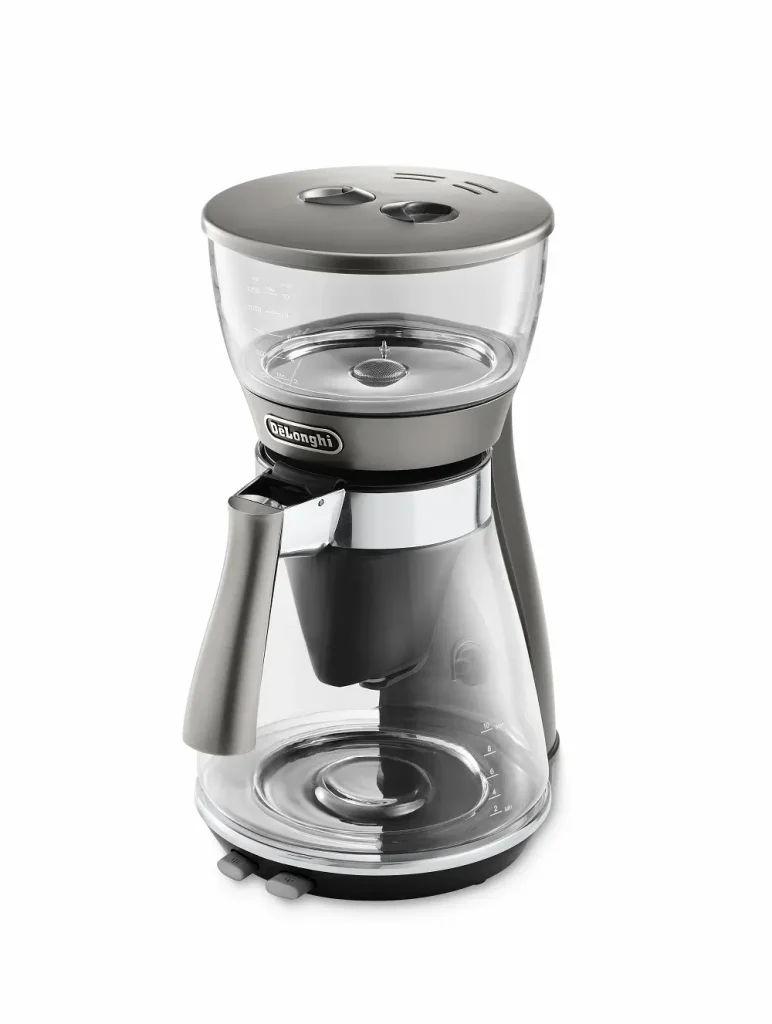
Every brand has its own “personality” (or, as we like to call them, common failure points). We see hundreds of these a month, and patterns definitely emerge.
Weak, Sour, or Bitter Coffee
Sometimes the machine “works,” but the coffee tastes like battery acid or dishwater. Before blaming the machine, look at your settings.
If you’ve changed your beans and adjusted your grind and it still tastes off, your machine might need a deep clean. Old coffee oils go rancid, and if they’re stuck in the internal valves, every cup will taste like a bad memory.
We’re all for a bit of home maintenance. You should be descaling your machine, cleaning your filters, and wiping down your steam wand daily. These things extend the life of your machine by years.
But there’s a limit.
If you find yourself looking at the internal wiring, or if you’re trying to “force” a part that won’t move, stop. Modern coffee machines are surprisingly complex—they’ve got circuit boards, high-pressure pumps, and heating elements that can be dangerous if handled wrong.
Think of a service like a tune-up for your car. We don’t just fix what’s broken; we replace the hidden O-rings, recalibrate the grinder, and pressure-test the boiler. It’s much cheaper to service a machine than it is to replace a burnt-out pump because a $5 seal failed.
At Ellis Electricals, we’ve been the trusted name in Dandenong for over 46 years. Whether it’s a manual espresso machine or a high-end automatic, our in-house technicians have the mechanical and electronic expertise to get it sorted. We only use genuine spare parts, so you aren’t getting a “dodge” fix that fails in a month.
If your morning routine has been ruined by a moody machine, don’t let it sit on the counter gathering dust. Feel free to check our repair services or just give us a call. We’ll have you back to your caffeine fix in no time.