
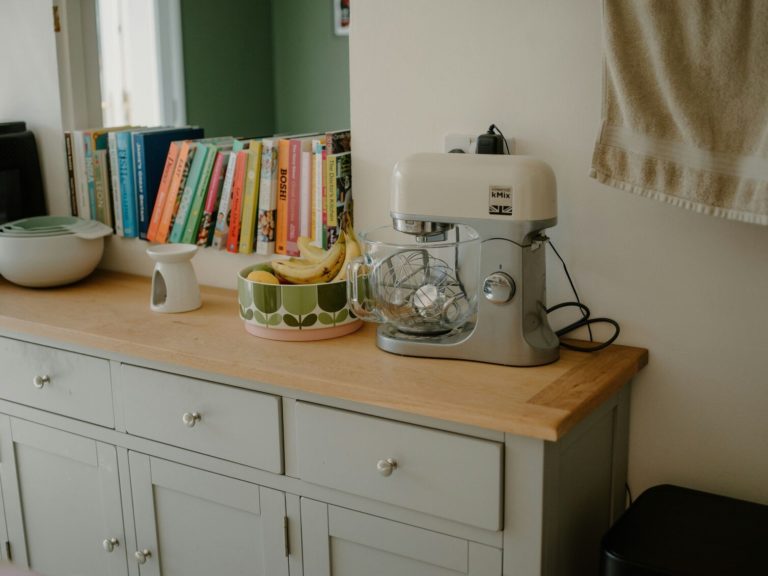
If you own a Kenwood Chef, you aren’t just owning a mixer; you’re owning a piece of engineering history. These things are workhorses. We see units come into our Dandenong workshop that have been in families for thirty or forty years, still humming along. But even a tank needs an oil change eventually.
If you want your Kenwood to outlast your kitchen cabinets, you have to treat it right. Neglect leads to strained motors, stripped gears, and that dreaded “burning smell” that usually means a costly repair.
Here is how you keep that motor spinning and your doughs peaking.
Most people think “cleaning” just means wiping the flour off the top. But it’s the hidden spots that get you. Flour is incredibly abrasive. When fine particles work their way into the crevices of the head or the attachment hub, they act like sandpaper on the internal seals.
After every session, use a damp—not dripping—microfiber cloth on the body. Pay special attention to the area where the attachment meets the machine. If gunk builds up there, it puts friction on the drive shaft. For the bowl and attachments, use warm, soapy water. Even if they say they’re dishwasher safe, hand washing keeps the polished finish looking like a professional tool rather than a dull piece of old metal.
One thing we see too often: people let batter dry inside the “rim” of the bowl or on the underside of the mixer head. Once that sugar and flour harden, they can actually interfere with how the head locks down. If it doesn’t lock perfectly, you get vibration. Vibration is the enemy of a long-lasting motor.
Once a week, or at least every few heavy uses, give the ventilation slots a quick check. These are usually at the back or underside of the machine. If they’re clogged with dust or flour, the motor can’t breathe. An overheated motor is a motor on its way to the scrap heap. A quick vacuum or a soft brush across those vents makes a massive difference.
You should also check the “twist” of your attachments. Do they snap into place easily, or are you forcing them? If there’s resistance, check for debris in the locking mechanism. While you’re at it, check the head alignment. If the mixer head feels “wiggly” when it’s locked down, it’s probably time to look at the hinge pin or the locking plate.
About once a month, you need to look closer at the grease. If you see a dark, oily residue leaking from the planetary hub (the part that spins the attachments), that’s a sign the internal grease is breaking down, or the seal is failing.
A word of advice: Do not, under any circumstances, spray WD-40 or random household oils into your Kenwood. These mixers require specific, food-grade high-temperature grease. Using the wrong lubricant is a fast track to ruining the gear set. If you notice the mixer getting louder or making a “grinding” sound, the internal lubrication has likely thinned out.
Check your speed control response, as well. It should be smooth. If the dial feels “crunchy” or the motor pulses unevenly at low speeds, there might be flour buildup behind the knob or an issue with the control board.
Parts wear out. It’s a fact of life. But replacing a $20 part today saves you from buying a $600 machine tomorrow.
When you do replace things, always use genuine Kenwood parts. We’ve seen “compatible” brushes and gears that are slightly off-spec. They might fit, but they cause friction and heat that the motor wasn’t designed to handle. It’s just not worth the risk.
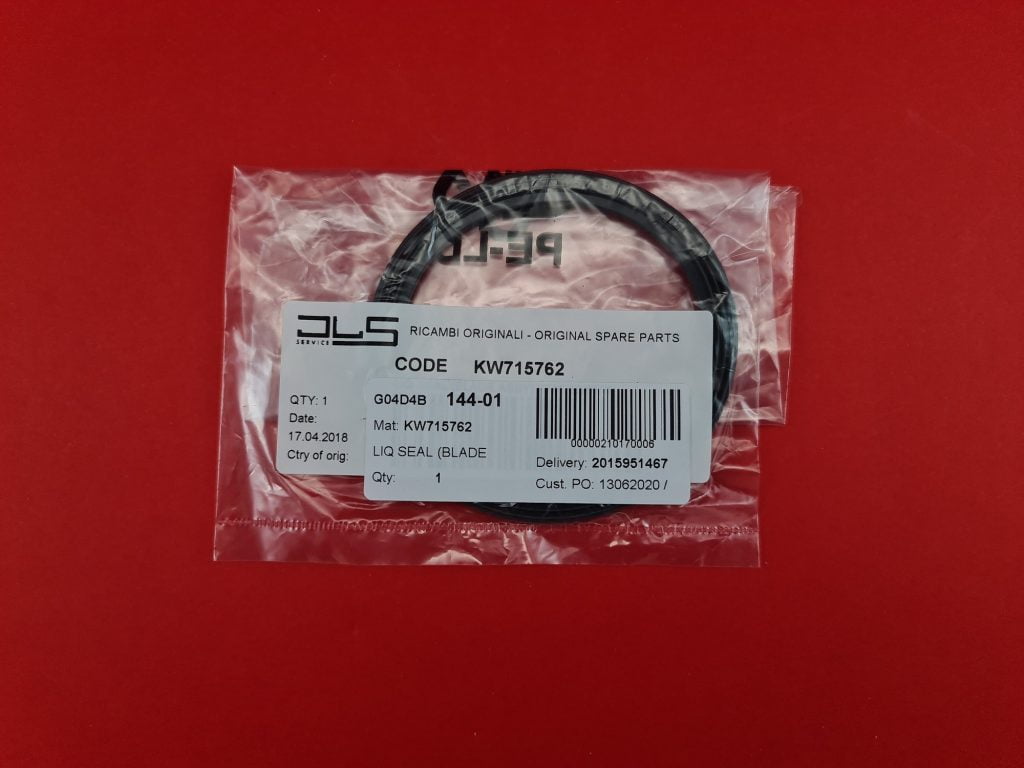
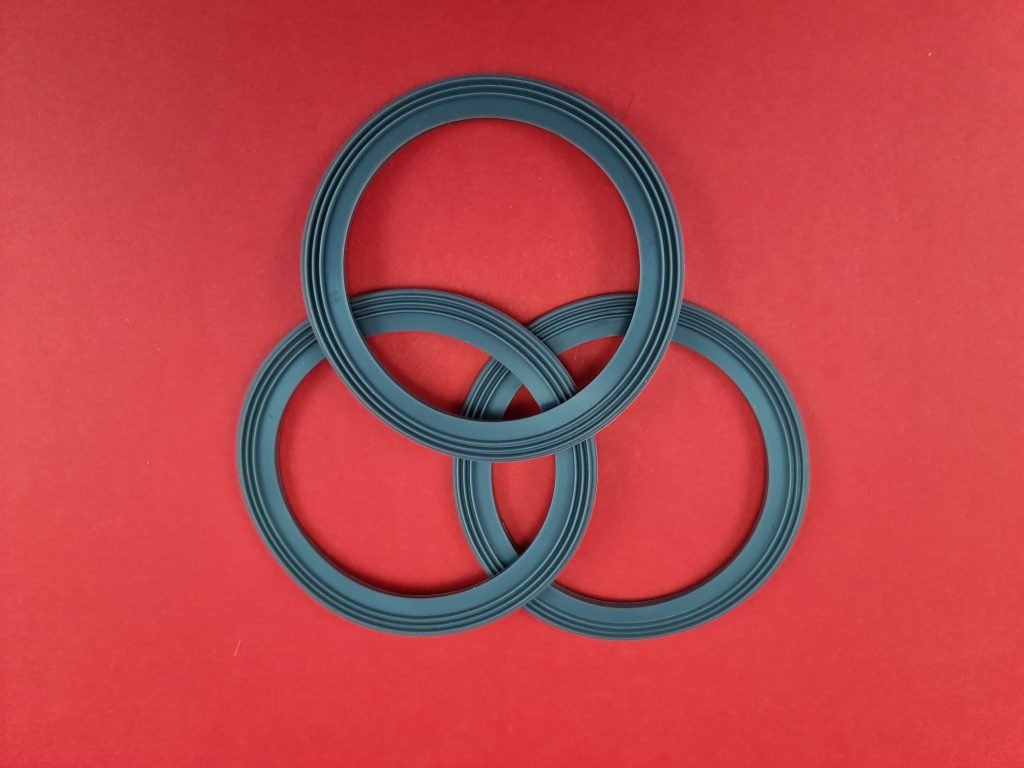
Your attachments are precision tools, and they need a little love as well.
The K-Beater & Dough Hook: Check the clearance. If the K-beater is scraping the bottom of the bowl, it’s putting stress on the planetary gears. Most Kenwood models allow you to adjust the height with a nut on the attachment shaft. It should be just a fraction of a millimetre above the bowl. If the coating on your dough hook is chipping, stop using it immediately to avoid debris in your food. You can find a heavy-duty replacement Kenwood Chef mixer dough hook here.
The Whisk: The whisk is the most fragile part. If you drop it and a wire bends, it throws off the balance. At high speeds, a wobbly whisk vibrates through the entire drivetrain. If the wires are distorted, it’s better to just get a fresh one.
(Note: If you own a Patissier model instead of a Chef, feel free to check out this stainless steel bowl for KM270 and MX series.)
At the end of the day, a Kenwood Chef is an investment. We’ve been around since 1974, and we’ve seen the difference between a machine that’s been cared for and one that hasn’t. Using genuine parts and staying on top of the small stuff keeps these machines running for decades.
If your mixer is making a sound you don’t like, or if it’s just been a few years since its last proper check-up, it might be time for a professional set of eyes.
At Ellis Electrical, we’re authorised Kenwood service agents. We don’t just “fix” things; we restore them. Whether you need a specific genuine spare part to do it yourself or you want our technicians in Dandenong to give your mixer a full tear-down and service, we’ve got the gear and the decades of experience to handle it.
Don’t wait until the motor stops mid-knead. A little maintenance today keeps the baking going tomorrow.
Need a specific Kenwood part or a professional service?
Drop by our Dandenong repair centre or get in touch with the team at Ellis Electrical. We’ll get you back to baking in no time.
P.S. We don’t just do mixers! If you need parts for your hand blender, feel free to check out the Kenwood Tri-blade pan blending blade and other accessories in our shop.